Festivals / Travel essentials
One Day at the Sapporo Snow Festival: Odori, Susukino, or Tsudome?
Choose snow sculptures, ice displays, or snow play across Sapporo’s three venues, using confirmed 2027 dates and room for indoor breaks.
 Yuna ·

Japan · Sapporo, Hokkaido
Sapporo Snow Festival
Odori’s snow sculptures, Susukino’s ice sculptures, and Tsudome’s snow-play activities take place at three separate venues.
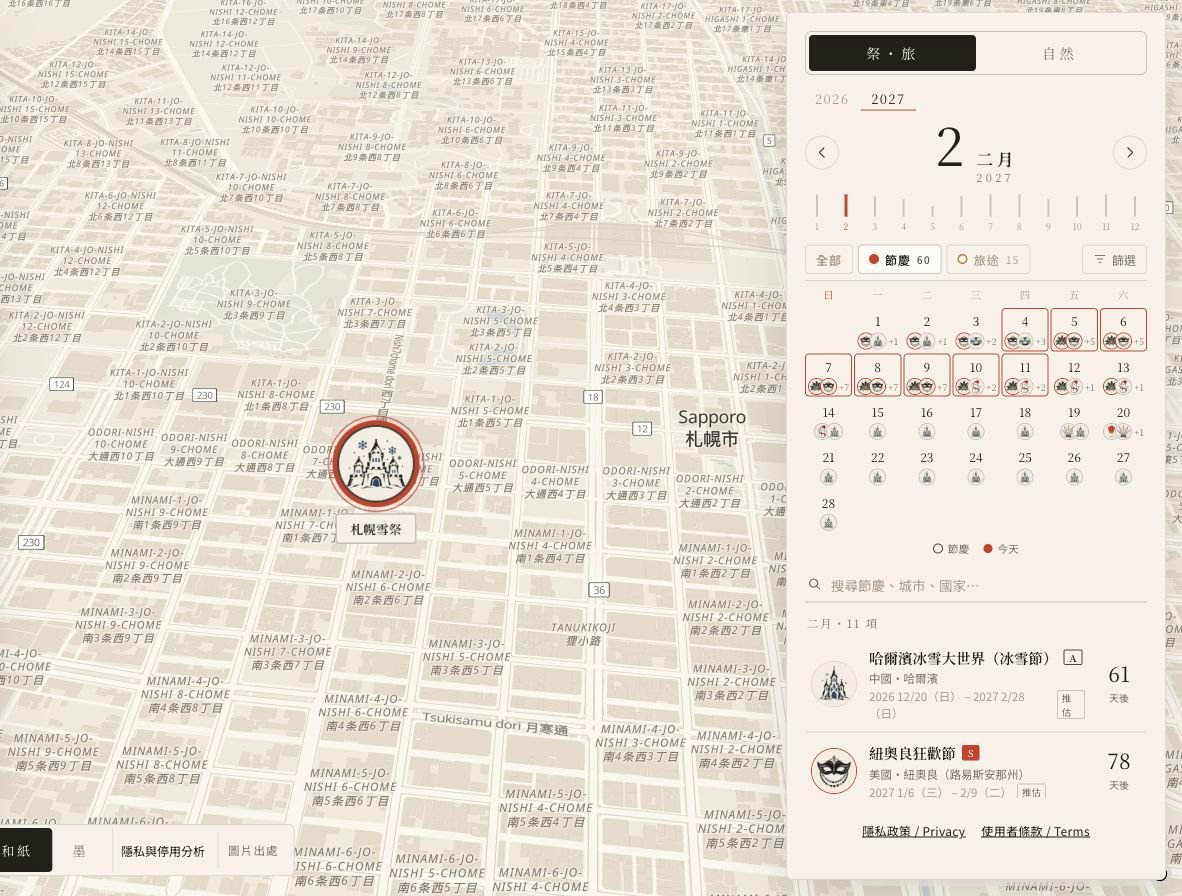
 View on the Festly map
The Sapporo Snow Festival in Hokkaido holds three different attractions: large snow sculptures, ice sculptures, and hands-on snow play. Odori, Susukino, and Tsudome make more sense as choices than as three compulsory ticks on an itinerary.
The announced common dates for 2027 are February 4–11. The official site says information for that edition will be updated progressively. Those dates are confirmed; previous illumination hours, transfers, facility rules, and programs need their own current announcements. See the official festival dates.
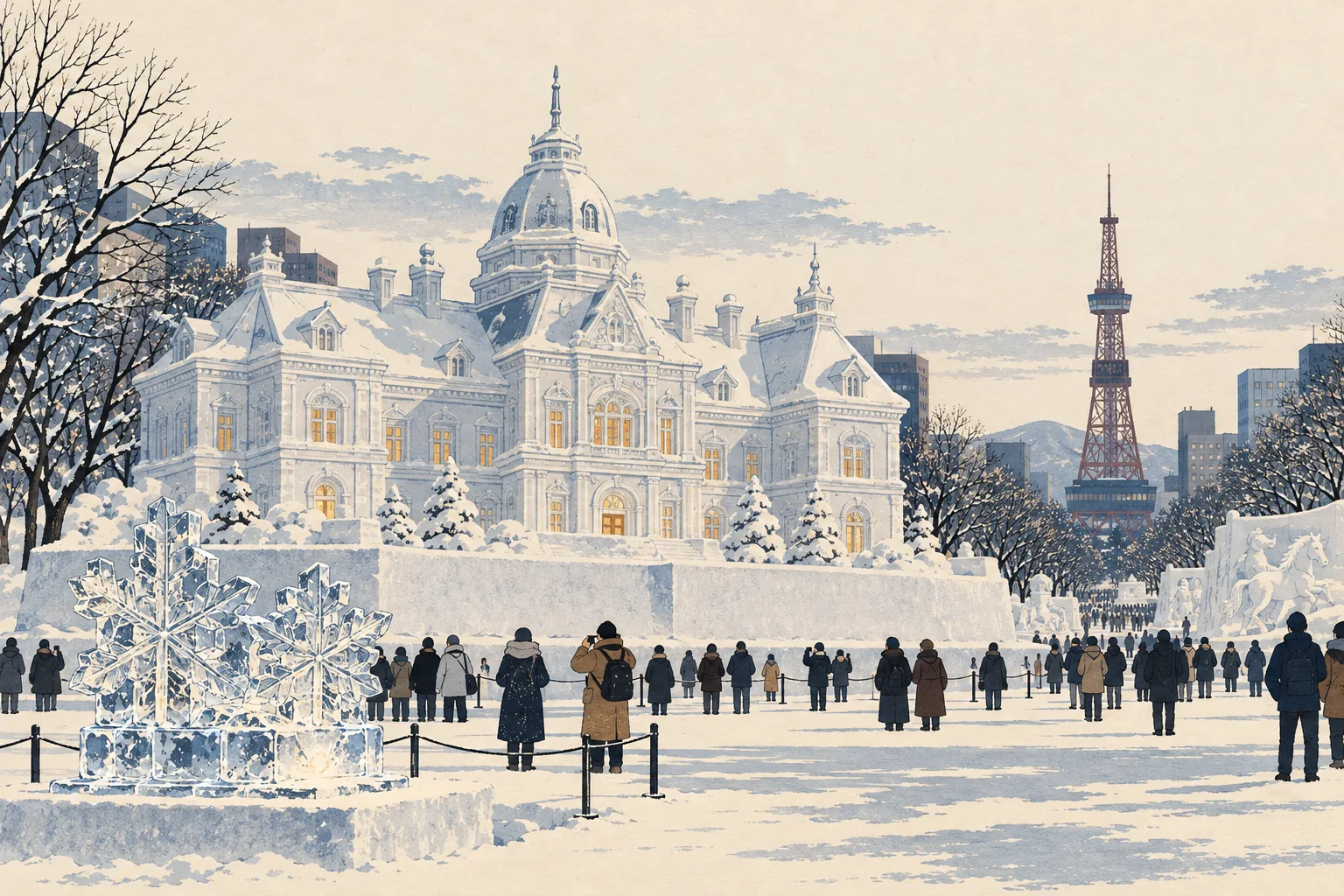
Odori for snow sculptures, Susukino for ice, Tsudome for snow play
Sapporo Tourism Association distinguishes snow sculptures at Odori, ice sculptures at Susukino, and indoor and outdoor snow activities at Tsudome. That gives you a starting point for allocating time, rather than a reason to spend equally at all three. See its three-venue introduction.
| Venue | Main attraction | How to give it time |
|---|---|---|
| Odori | Sculptures and displays along the park | Pick sections; compare detail by day with light after dark |
| Susukino | Ice sculptures and the neighborhood at night | Connect with a downtown meal while allowing outdoor viewing time |
| Tsudome | Snow-play facilities and indoor/outdoor activities | Include transport, queues, and changing wet clothing |
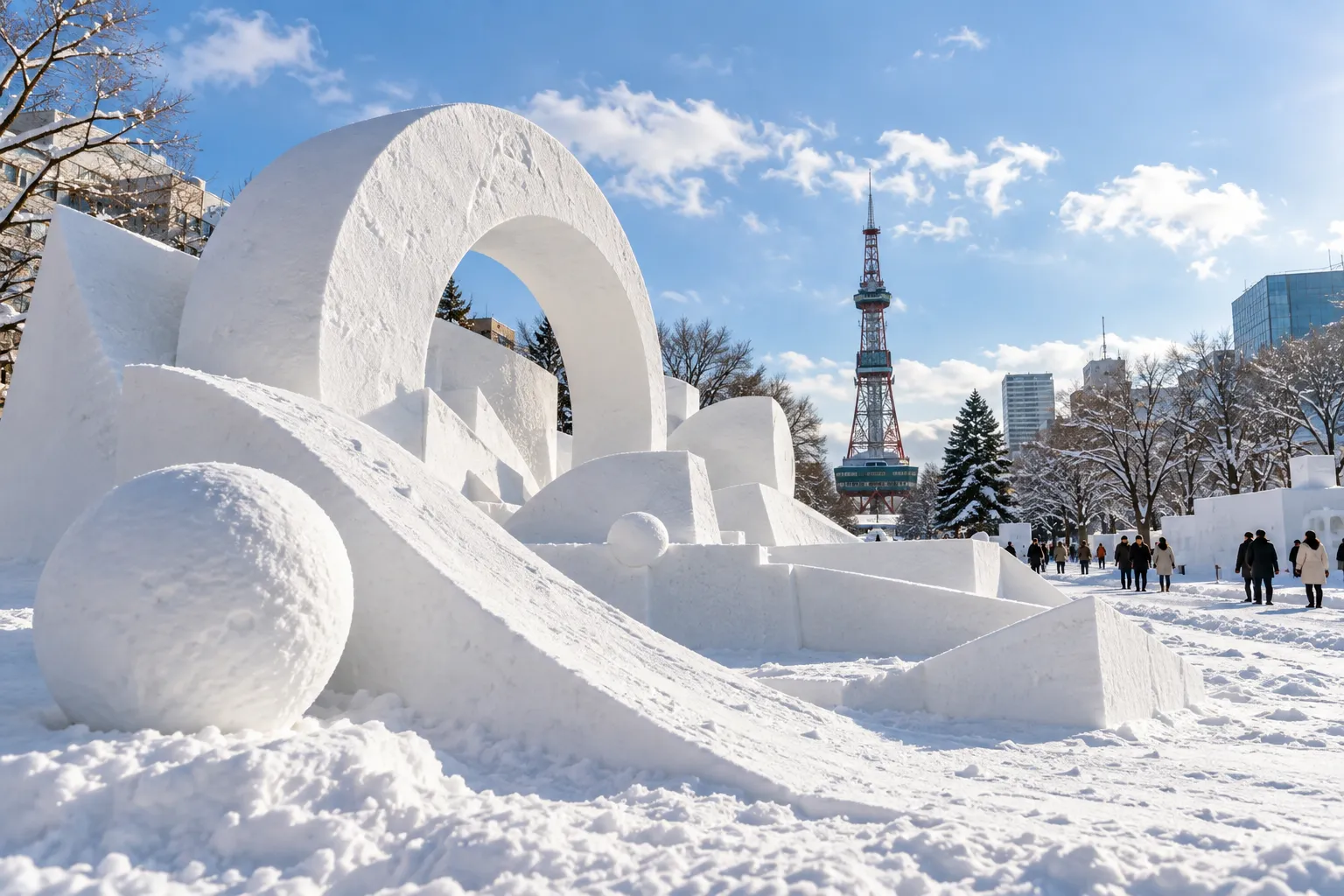
To see the works, pair Odori with Susukino and sit down to eat around Pole Town in between
For a first visit focused on the works, I’d choose Odori and Susukino, leaving Tsudome for another day. The downtown pair follow the north–south relationship of Odori and Susukino stations. The Sapporo subway map places Odori N07 and Susukino N08 next to one another on the Namboku Line, with Sapporo N06 one stop north of Odori. From a Sapporo Station base, start by taking the line to Odori; after Susukino, travel toward Asabu to return to Sapporo Station, rather than cross the city again for a second venue.
For a downtown-based visitor able to walk independently and choosing only part of Odori, budget roughly four to six hours from afternoon into evening, including viewing, short transfers, and an indoor meal. This is an editorial time budget, rather than an official walking duration. It excludes the TV Tower, the full park, or queuing to photograph every work. Once illumination hours are announced, shift the start to keep evening viewing within opening time.
| Order | Route and focus | Suggested allowance |
|---|---|---|
| Afternoon from Odori Station | Choose a park section from the current map, study shapes and carving, then return toward the station | About 1.5–2 hours, without aiming for the whole east–west park |
| Middle of the outing toward Susukino | Head toward Pole Town for a seated indoor meal, then continue toward Susukino | About 1–1.5 hours for food, movement, and rest; add for popular dining queues |
| After dark at Susukino | View ice within the open area, then take the Namboku Line toward Sapporo or Odori | About 0.5–1 hour of viewing, with extra time for station access, slippery ground, and crowds |
JNTO’s Susukino information describes Pole Town’s underground shopping and dining corridor linking Odori and Susukino. It offers a concrete direction for food and shelter between outdoor visits; the ice exhibition itself remains outdoors. If conditions or tired feet call for it, eat around Odori and take the subway one stop. If Odori has already made a satisfying outing, finish there and save the second outdoor section.
For snow play, go to Tsudome first, change at your lodging, then decide on Susukino
If slides and snow play are the main wish, reverse the priorities: downtown lodging → Tsudome → lodging to sort out clothing. Seeing Odori first can leave the snow play rushed. Travel and queues use time, in exchange for active participation. If children want to play while adults chiefly want sculptures, agree which experience leads the day before reaching the venue.
Tsudome’s transport needs the current official information; shared festival dates do not confirm its 2027 transfers. Put it in the daytime schedule once you can reach it, participate in the selected facilities, and return to change. Afterward, add Susukino alone only if clothes are dry, energy remains, and opening hours work. There is no need to make up Odori as well. If the connections fail, let snow play be the main experience and eat near the accommodation.
When paths ice over or energy runs low, drop an outdoor section first
Winter travel in Sapporo needs more than map distances. The time budget above assumes selected works and independent downtown movement. With ice, crowds, or more frequent rest needs, shorten the viewing area. Remove an outdoor section before cutting the meal and return time. Walking faster is a poor substitute for a workable day.
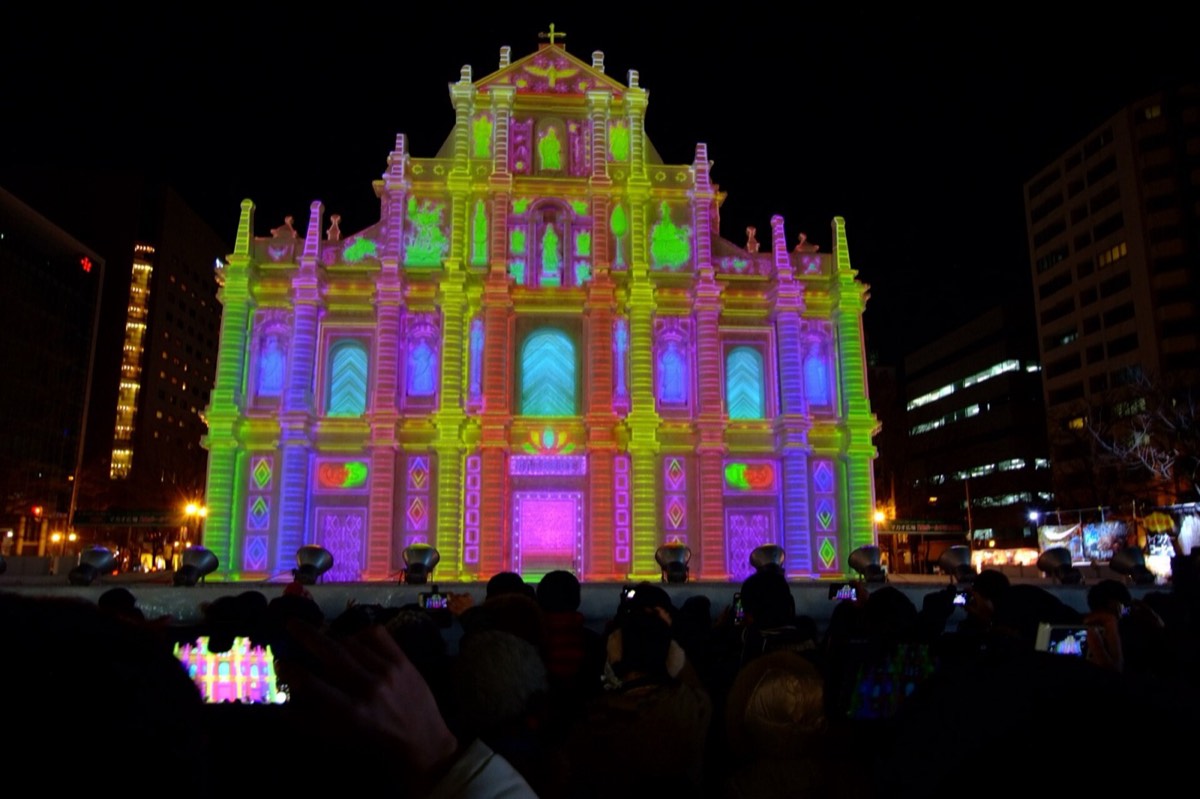
Check the year on guides and photographs. Official pages may retain earlier images or foreign-language guides. The cover here is also from an earlier festival, illustrating snow sculpture and evening light rather than previewing a 2027 work.
Before booking a room, choose your first venue and final station
Which venue do you want to reach early, and where will you finish? For Odori and Susukino, compare hotel returns from those areas. For Tsudome snow play, establish that year’s transport first; “Sapporo” in a hotel name does not answer it.
The Festly Sapporo Snow Festival map locates the city. Use the separate maps below for the three venues, then the current official plan for exhibition areas.
Related places
Odori Park — Snow Festival venue area
Open in Google Maps ↗Susukino — ice sculpture venue area
Open in Google Maps ↗Sapporo Community Dome Tsudome
Open in Google Maps ↗Related experiences

 Klook
Sapporo TV Tower observation deck ticket
At the eastern end of Odori Park, offering elevated views of the park and city as an optional addition to an Odori visit.
This is a TV Tower ticket, not Snow Festival venue admission. Check operating hours, valid dates, and special restrictions for the 2027 festival separately.
View experience

Sapporo TV Tower observation deck — KKday
An elevated viewing option near the Odori venue, which you can plan separately from seeing snow sculptures at ground level.
This ticket does not include an itinerary across the three festival venues. Check 2027 validity dates, opening hours, and ticket-redemption arrangements.
View experienceDates, availability and inclusions are subject to the provider’s page.
Nearby stays
 Trip.com
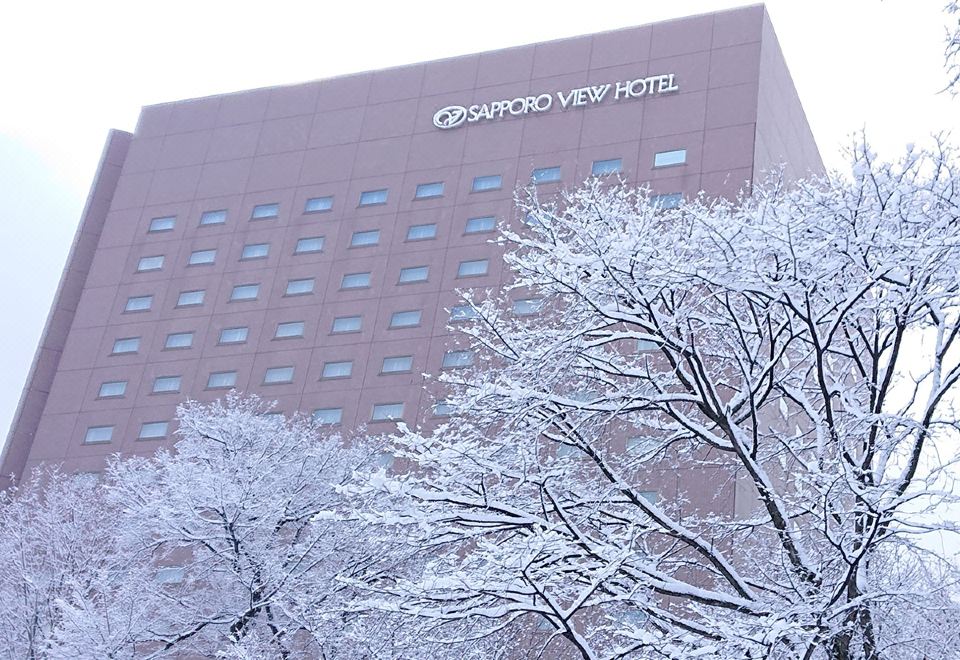
Sapporo View Hotel Odori Park
West of Odori Park, an option to compare if the Odori venue is your main festival area.
A hotel reservation does not guarantee a room overlooking snow sculptures. Arrange travel to Susukino and Tsudome separately.
View rooms
JR Tower Hotel Nikko Sapporo — Sapporo Station
A high-rise hotel directly connected to JR Sapporo Station, suited to prioritizing airport rail access and travel between cities.
In the Sapporo Station area, not beside the Odori venue. During station-area construction, check official access routes before arriving by train. Arrange transportation to each festival venue separately.
View roomsRates, room availability and cancellation terms are subject to the provider’s page.
Frequently asked questions
When is the 2027 Sapporo Snow Festival?
The announced dates for Odori, Susukino, and Tsudome are February 4–11, 2027. Check the information for that edition separately for individual programs and facility hours.
Are all three venues near Odori Park?
Odori and Susukino are in the downtown area, while Tsudome is a separate location. The three venues are not three sections of a single park.
Do I need to visit all three venues in one day?
No. If snow play matters most, give Tsudome a substantial part of the daylight hours. For snow sculptures and evening views, Odori and Susukino can make a coherent day on their own.