Nature / Stays & transportation
Chile’s Marble Caves by Boat or Kayak: Give the Lake Its Own Day
Choose a boat or kayak from Puerto Río Tranquilo, understand wind and water-level changes, and connect the lake outing with roads and overnight stays.
 Miles ·
Chile · Río Ibáñez, Aysén Region
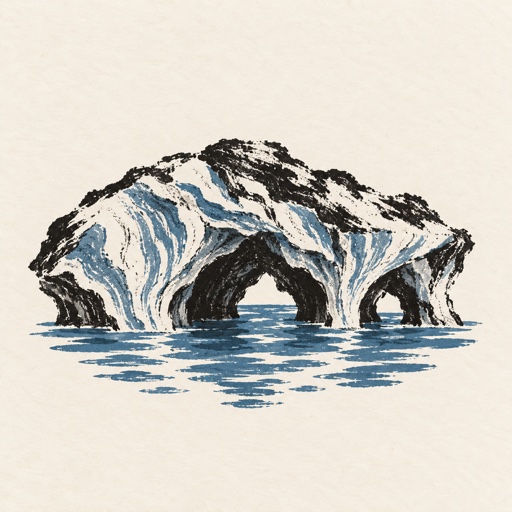
Marble Chapel, Chile
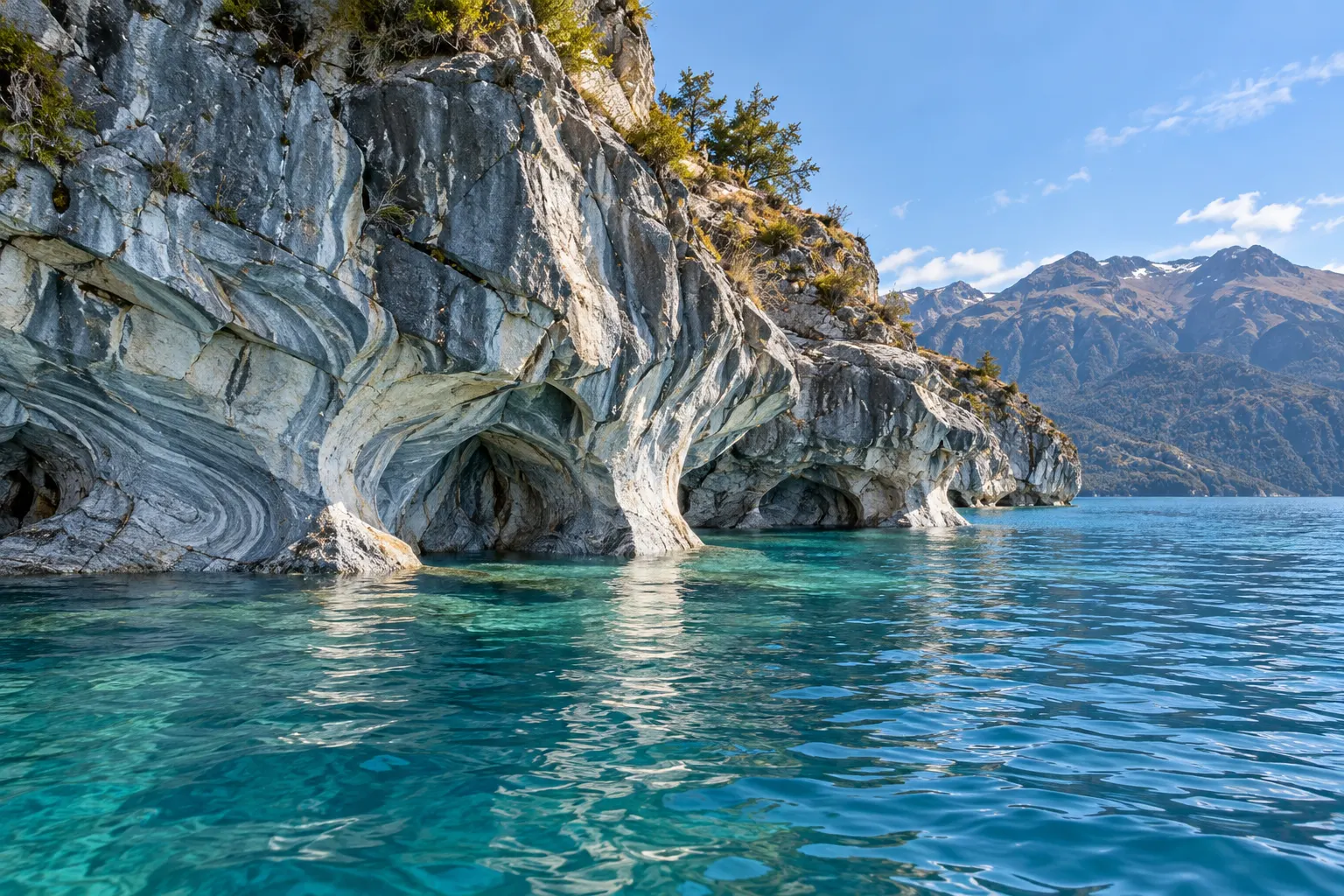
Marble formations on Lake General Carrera, approached by boat or kayak from a departure base. Water level, wind, and waves shape access.
 View on the Festly map
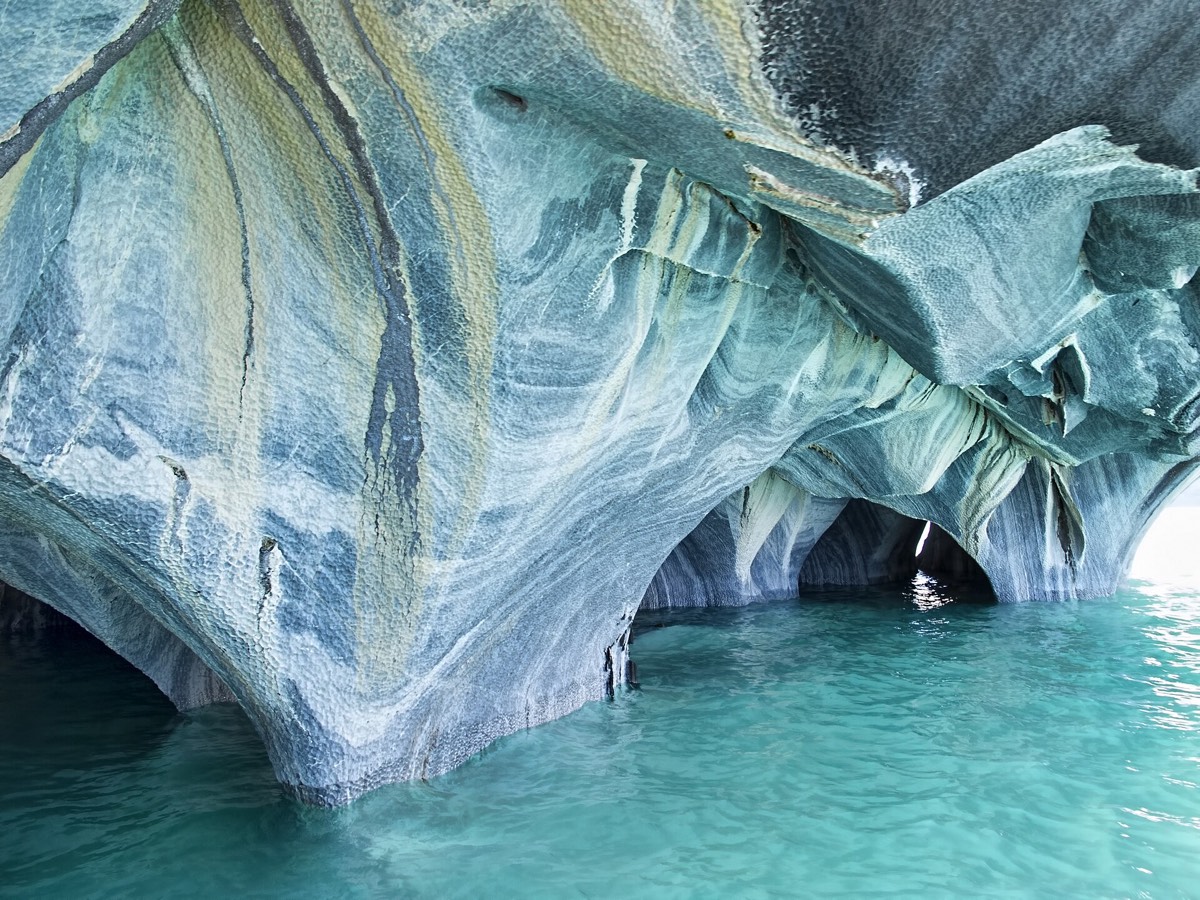
In photographs, blue light seems to come from inside the rock. To put Chile’s Marble Caves into a trip, first picture the approach you want: sitting in a boat and watching, or paddling toward the walls yourself? Then consider what another night at the base would let you change if wind alters the outing.
The Marble Chapel and caves stand on General Carrera Lake in Chilean Patagonia, commonly visited from Puerto Río Tranquilo. Reach town by road, settle in, then go to your booking’s meeting point for the lake journey. Separating those stages clarifies when you need the car, when to reach the pier, and where companions can eat and rest.
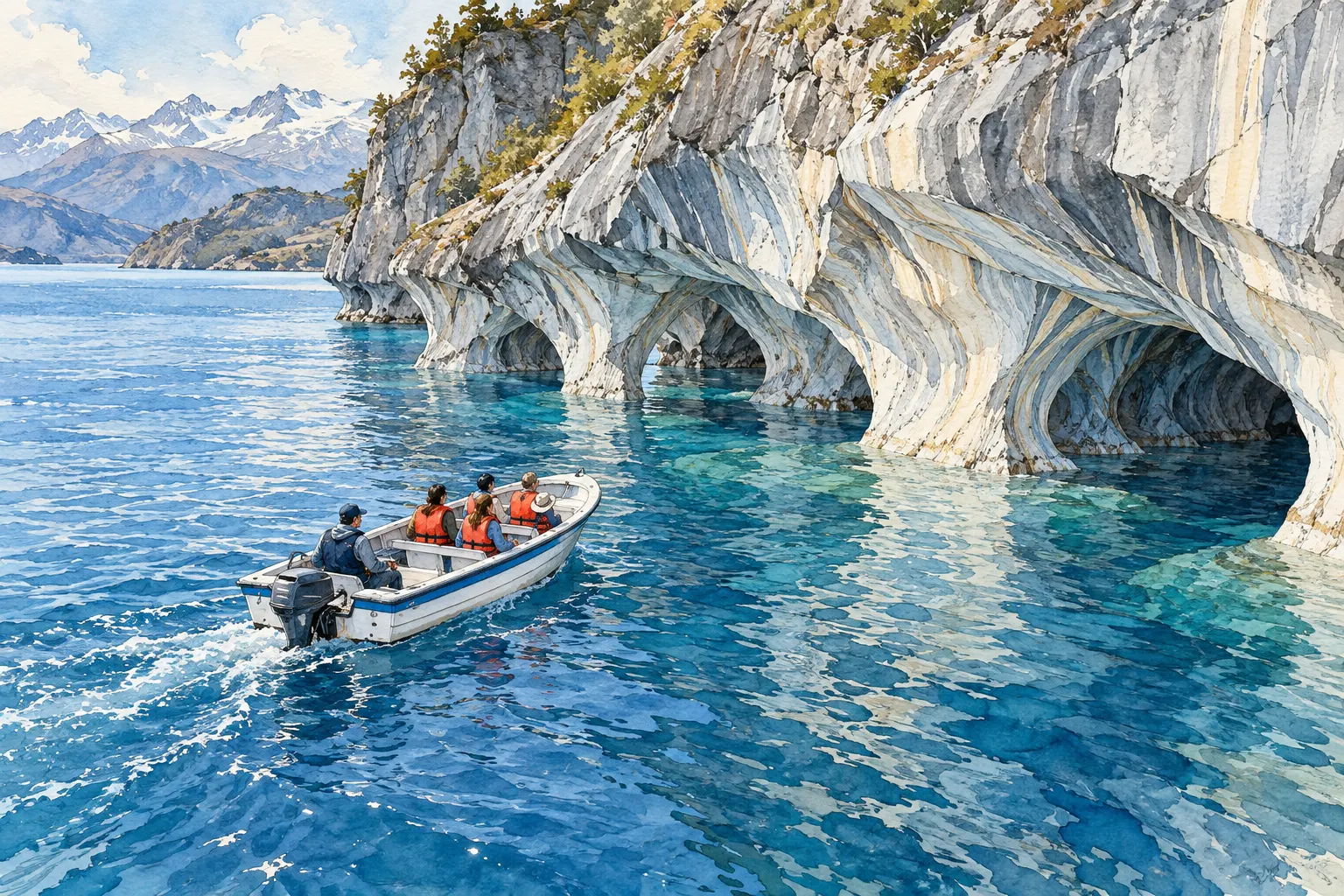
Lake level decides the low openings, and sunlight changes the blue-green color
Marble textures, water-worn arches, and reflected lake light are the landscape’s focus. Reaching the formations at the waterline means approaching across the lake, making the boat or kayak journey part of the experience. Northern Ireland’s Giant’s Causeway also asks you to read the landscape from the rock itself; how the Giant’s Causeway basalt columns formed explains why they are hexagonal.
Chile’s official tourism account distinguishes formations such as Capilla, Catedral, and Cavernas, and explains that water level affects entry. Low openings depend on lake level, while wind and waves shape the route. Sunlight and water conditions change the blue-green color. I’d look forward to the slow approach, as patterns become legible and that day’s lake and light reveal their own colors.
Take a boat if you only want the rock, or a kayak to paddle up to it yourself
For companions who chiefly want the rock formations and prefer not to paddle, I’d start with a crewed boat. Boarding, life jackets, wind, and movement on the water still apply. Discuss boarding assistance or motion-sickness concerns before paying and obtain an answer about the vessel and available help.
Kayaking makes movement itself part of the outing. It suits someone willing to paddle and follow a guide. Wanting to stay dry, disliking rocking, needing boarding help, and not wanting to paddle are four different needs. Explain them separately so the operator knows whether the question concerns the craft, boarding, or effort. With a wheelchair or special assistance needs, book only once the selected operator has explained how that particular outing can work.
Turismo Buenaventura’s “auténtico 1” boat tour lists about 1.5 hours on the boat, including marble formations, tunnels, Catedral, and Capilla. That is a useful named starting point; other boats and kayaks have their own scope. Allow separately for check-in and travel to and from the meeting place.
A named kayak example makes the comparison more concrete. El Puesto Expediciones’ Marble Caves outing meets at Pedro Lagos 18 in Puerto Río Tranquilo, then transfers to Bahía Mansa south of town to launch. It lists about three hours overall, transfers included, ages eight and over, a guide, kayaking equipment, a paddling jacket, and a life jacket, with a route around Catedral, Cavernas, and Capilla. The operator labels it easy, but it still requires paddling and remains weather-dependent. Meeting the age threshold does not settle individual suitability.
Read “three hours” as the full booking, rather than three continuous hours paddling. Huente-Có’s kayak outing separates technical and safety instruction, getting equipped, time afloat, taking equipment off, and return transfers. It lists roughly 1.5 hours for navigation, explanation, and photography, and labels the difficulty moderate. The different labels show why “easy” cannot replace a comparison of paddling time, equipment, and personal needs. Obtain actual meeting and finishing times before adding onward transport.
| Same question | Buenaventura boat example | El Puesto kayak example |
|---|---|---|
| Time to reserve | About 1.5 hours afloat, with check-in and meeting-point travel separate | About three hours including land transfers |
| How you move | Crew drives; passengers still board and handle movement | Guide leads; participants paddle and wear equipment |
| Main viewing | Formations, tunnels, Catedral, and Capilla | Around Catedral, Cavernas, and Capilla |
| Best fit | Keeping energy and attention for the walls | Making paddling part of the approach and observation |
My choice would turn on whether I wanted to look up at arches and down at the waterline without handling a paddle. If so, I’d choose a boat. If paddling toward the rock is itself exciting, and wet clothing, equipment, and sustained activity sound acceptable, I’d compare kayaks. Kayaking buys active movement, rather than guaranteed access deeper inside an opening. Both depend on water level, waves, and instructions on the lake.
Kayak specifications checked October 23, 2026. El Puesto says it contacts visitors to reschedule when weather prevents departure; refunds require the booking’s separate conditions. For boarding assistance or physical limitations, ask the selected operator about your actual circumstances instead of deciding from an age or difficulty label.
Two nights give the lake outing and long road journey separate space
Investigate the road from Coyhaique down the Carretera Austral via Villa Cerro Castillo and Bahía Murta to Puerto Río Tranquilo as a distinct travel section. A 2025 transport ministry announcement describes a subsidized Coyhaique–Puerto Río Tranquilo connection totaling roughly 440 kilometers return.
The 2025 notice lists only several subsidized services each week. Confirm journeys for your travel date in both directions before booking the lake outing. The 2025 notice explains the service area. For 2027 public transport, ask the accommodation provider about current services, stops, and the return before connecting an outing.
By car, keep the approach as its own travel day, with rests based on road conditions, starting point, and expected arrival. After a long drive, I’d stay the night and schedule the main boat outing for the following day.
A more relaxed editorial plan is to arrive the evening before, leave half the next day for check-in, the lake, and return, and keep the other half for meals, rest, and possible adjustments. The actual activity length comes from the chosen operator. If the caves are the trip’s most anticipated landscape, I’d stay two nights to create room for discussing another departure. That costs a night at the next stop, and persistent wind may still mean changing or canceling the activity.
One night works for someone prepared to leave as planned after cancellation. With two nights, the value depends on the next road journey and lodging being changeable: the extra night helps only if the rest of the itinerary can move.
Prepare for wind and water even in the popular November–March period
Bring windproof and waterproof outerwear, suitable boarding shoes, and protection for phone and camera. Official tourism information identifies November through March as a popular visiting season; plan activities and accommodation around your chosen dates. The day’s wind and waves decide departure; after cancellation, stay in town or on a safe, open lakeshore. Respect the operator’s decision to stop a lake outing.
Eat and buy supplies in Puerto Río Tranquilo around the meeting time. Bring water and arrange food according to the activity’s inclusions. Itemize base accommodation, return road travel, boat or kayak, meals, and the possible extra night. If wind cancels the lake, I’d first reconnect the next road stage and meals, then use the afternoon to rest at the base.
I like thinking of this as a chance to approach rock and see how water has shaped it. Seeing the waterline, arches, and marble patterns together is already seeing the caves. If someone is uncomfortable, appreciate the exterior you reached and return as directed.
Staying in Puerto Río Tranquilo, confirm the walk to your meeting address before booking
Trip.com · Hotel Bacaris ↗Trip.com
 Trip.comHotel BacarisAn in-town hotel in Puerto Río Tranquilo for staying before and after lake activities. Plan the walk or transfer to the outing’s meeting address, then compare room types and nights you can adjust.Compare rooms, meals, and cancellation terms for your dates. Arrange boats, kayaks, and pier transfers separately with the activity operator.View rooms ↗ is an option in Puerto Río Tranquilo for keeping a base before and after the lake. Choose the room, then arrange boats, kayaks, and pier transfers separately with the activity operator.
A different town option is El Puesto Hostal, whose official address is Pedro Lagos 258, about two and a half blocks inland from the waterfront. Compare it for a hostal-style stay if that walk suits you; compare Hotel Bacaris’s actual rooms for a hotel-style option. Treat meals, kitchen facilities, and transfers as specific room or service details to establish. Town accommodation still needs a confirmed activity meeting point and transfer scope. A lakeside property in another settlement adds road travel to the morning.
Select actual dates and compare food and change conditions. Boats, kayaks, and pier transfers need their own arrangements. Match nights to weather-change terms to make the extra flexibility useful.
On an area accommodation list, first check whether the address is within Puerto Río Tranquilo: other lakeshore settlements may appear too. To walk to a town meeting point, choose a property with a verified walking route. For a more distant lake base, arrange the pier journey before comparing room prices.
Related places
Puerto Río Tranquilo
Open in Google Maps ↗Marble Caves lake area
Open in Google Maps ↗Nearby stays
Trip.comHotel Bacaris
An in-town hotel in Puerto Río Tranquilo for staying before and after lake activities. Plan the walk or transfer to the outing’s meeting address, then compare room types and nights you can adjust.
Compare rooms, meals, and cancellation terms for your dates. Arrange boats, kayaks, and pier transfers separately with the activity operator.
View rooms
Apart Hotel y Cabañas Valle Exploradores
Apartment and cabin accommodation at Los Arrayanes 205 in Puerto Río Tranquilo, for travelers comparing room layouts for their group. Compare it with the hotel-style accommodation at Hotel Bacaris.
Arrange boat activities and transport to the pier separately. Meals, room layout, and cancellation terms depend on your selected dates and booking.
View roomsRates, room availability and cancellation terms are subject to the provider’s page.
Frequently asked questions
Where should I drive for a Marble Caves visit?
First reach a departure base such as Puerto Río Tranquilo. Check in at your operator’s address, then board the boat or join the kayak outing. Allow separately for the road, check-in, and water activity.
What can a boat visit when water level or waves change?
Access to formations and openings changes with lake level, waves, and vessel type. An outing may focus on exterior marble, be shortened, or be canceled. Ask about the route and change terms before paying.
Should I stay one night or two?
One night suits travelers willing to leave as planned after a cancellation. Two nights provide more time to discuss rescheduling. Coordinate the boat, accommodation, and next road journey’s change terms; follow the operator’s decision if wind persists.